The culture of farewell. global:divers
1. Global photography project
2. Death cult as a universal phenomenon
3. Religious foundations of funeral culture
4. Graves & crypts, rituals & symbols
5. Exhibition in Trivandrum
1 Global photography project
My name is Michael Gleich, I live in Berlin and work as a journalist, presenter and curator. Since 2015, I have been taking photographs for my own project in special cemeteries around the world. My work as a reporter has taken me to dozens of countries over the past decade, and I have been able to use these trips for this documentary. I am fascinated by the living (the subjects of my reports), but also by how we deal with the dead. And with death. The way different cultures relate to this tells me a lot about their values and worldviews. Cemeteries and graves tell stories about lives lived, about personalities, about destinies.
Cemeteries are often quiet, green oases amid the hustle and bustle of city life. A lively silence reigns here. Mourners in silent contemplation, numerous animal species, often lots of greenery. This special atmosphere was one very practical pleasure of photography. The other: I really enjoy portraying people, but it is also a challenge in terms of good communication and interaction. In contrast, graves and the art displayed on them allow me to try out different perspectives and lighting situations at my leisure. In my documentary work, it was important to me in every situation to respect the peace of the dead and the memories of the bereaved. My attitude is one of non-judgement: I do not consider any of the cultures documented (whether Hindu, Chinese, Islamic, Christian, Jewish or Orthodox Christian) to be more valuable than any other.
2 Death cult as a universal phenomenon
Death, like birth, is a central event in all cultures. It not only marks the end of an individual's physical life, but also raises questions about transcendence, memory, social identity and how to deal with transience. Humans are the only beings that are aware of their own mortality. At the same time, they can think back as far as they want on the timeline and look ahead into the future, far beyond their own lifespan. In this respect, it is understandable that people in all eras have had the desire not to be limited to the span of physical existence. Added to this is the particular difficulty that we know we must die, but we do not know when or how. Maximum certainty and maximum uncertainty in one.
Throughout history, across cultures and religions, mythologies have emerged about how life continues after death, about the immortality of the soul, about the transition from life to another dimension, which may be called heaven, paradise, nirvana or hell. In modern times, especially in Western societies, atheistic attitudes are becoming more common, according to which physical death is indeed the end. The dissolution, the passing away, the fall into nothingness. This is difficult for people to accept. Perhaps this is why death is being repressed and hidden to an extent never seen before, and the dead body is regarded as an unappetising remnant. From this perspective, there is no consolation, no prospect of any form of continued life or return, and even the metaphor ‘rest in peace’ no longer applies: no one is resting there, just a corpse rotting in the cemetery. The consequence of responding to this desolation is repression, both individual and collective.
However, it would also be conceivable to deal with finitude in a different way. It could be used to cultivate one of the most important spiritual qualities: radical acceptance. This also refers to a concept of “death” that goes far beyond the physical end. After all, we are constantly confronted with transience. Friendships die, jobs are lost, marriages end, seasons come to an end. What I cannot change, I must (in fact) accept. Resistance is futile anyway. This brings a lesson about death to the fore: it reminds us to consciously experience every moment of life, to perceive it as transient and at the same time unique. It urges us to enjoy this gift of the moment and to be grateful for it. Instead of repressing it, awareness of transience can strengthen our appreciation for every moment.
3 Religious foundations of funeral culture
In Christianity, the idea of the resurrection of the dead and eternal life is central. This belief has had a strong influence on funeral culture. Burial is seen as a transition to eternal life, with the body being treated with dignity as the ‘temple of the Holy Spirit’. Burial not only serves to show respect for the deceased, but also to strengthen the hope of the bereaved that they will be reunited with their loved ones in heaven for eternity. The choice between burial and cremation has been historically controversial. While the early Church rejected cremation because it was associated with pagan customs, since the 20th century it has increasingly accepted the practice, provided that it does not stem from an explicit denial of the belief in resurrection.
In Judaism, the sanctity of the body plays a central role. Humans are considered to be made in God's image, and their bodies should be respected even after death. Therefore, burial – ideally on the day of death – is the only permissible form of burial. Cremation is categorically excluded, as it is understood to be a violation of the divine order.
Jewish cemetery culture is closely linked to the concept of olam ha-ba (the ‘world to come’) and the resurrection of the dead at the end of days. Graves are not removed or reused; they are created for eternity. Preserving the peace of the dead is a central commandment.
Burial also has an unshakeable significance in Islam. It should take place as quickly as possible, within 24 hours of death. Cremation is strictly forbidden, as it is seen as disrespectful to creation
Islamic burial culture is characterised by simplicity. Graves must not be overly decorated or monumental, so as not to distract from the essential – the return to God. The body is wrapped in a white linen cloth (kafan) and laid in the grave without a coffin, with the face towards Mecca.
In Hinduism, rebirth (reincarnation) and the pursuit of moksha (liberation from the cycle of life) are central. The funeral culture is designed to support the soul on its way to the next life. Christianity, Judaism and Islam see death and burial as a transition to eternal life or some kind of afterlife experience, which depends heavily on faith and deeds in earthly life
4 Graves & crypts, rituals & symbols
The way people deal with death is reflected in rituals, symbols and forms of burial. Although the three monotheistic religions (Judaism, Christianity, Islam) share historical roots and thus have a certain cultural connection, their cemetery and burial cultures have developed in different ways. The Hindu tradition is characterised by cremation and the almost complete absence of cemeteries.
4.1 Christian cemeteries developed historically from churchyards. Many churches were surrounded by cemeteries, which were not only places of mourning, but also community spaces and places of remembrance. Later, large municipal cemeteries were created, often landscaped, which took up the idea of a ‘garden of peace’.
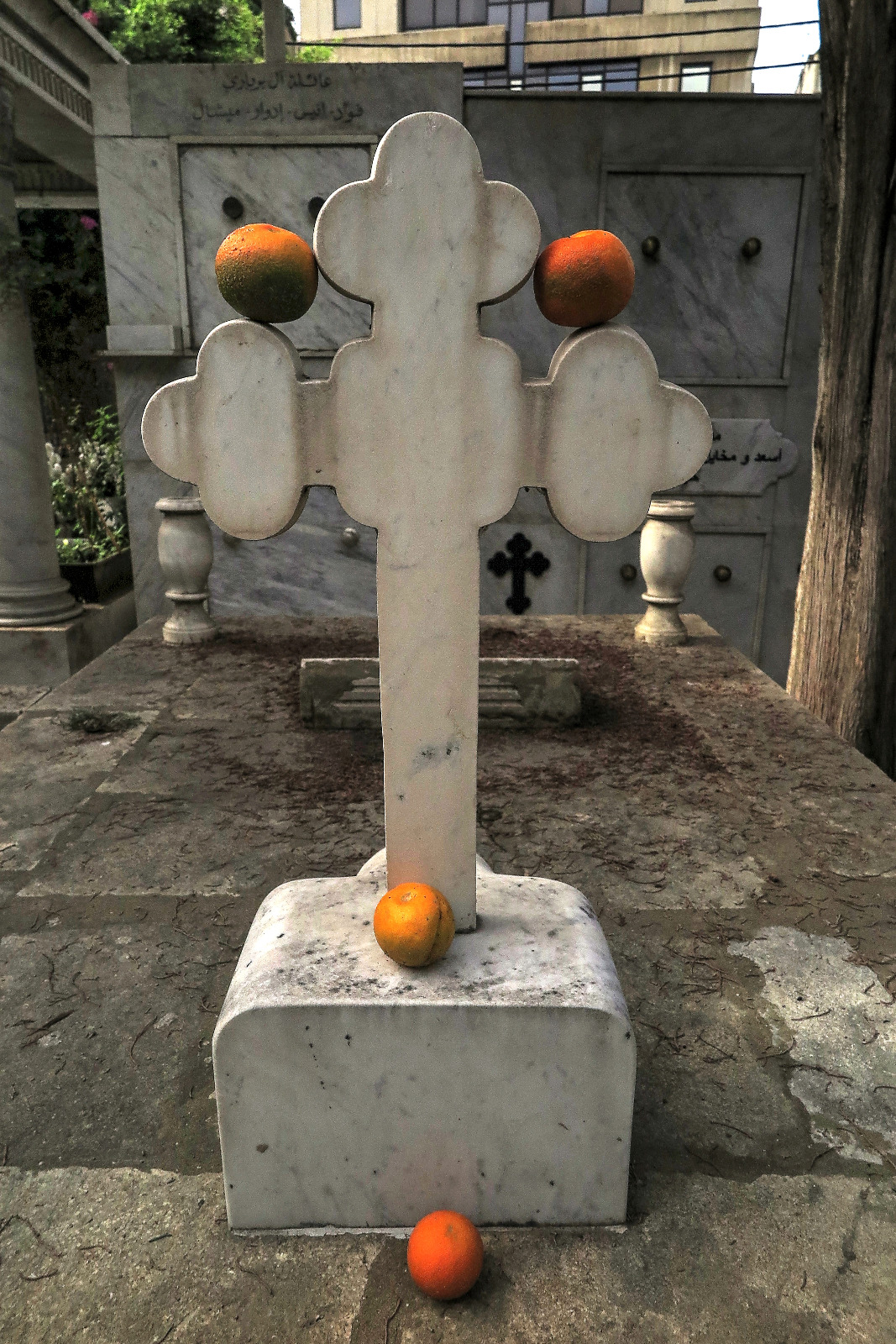
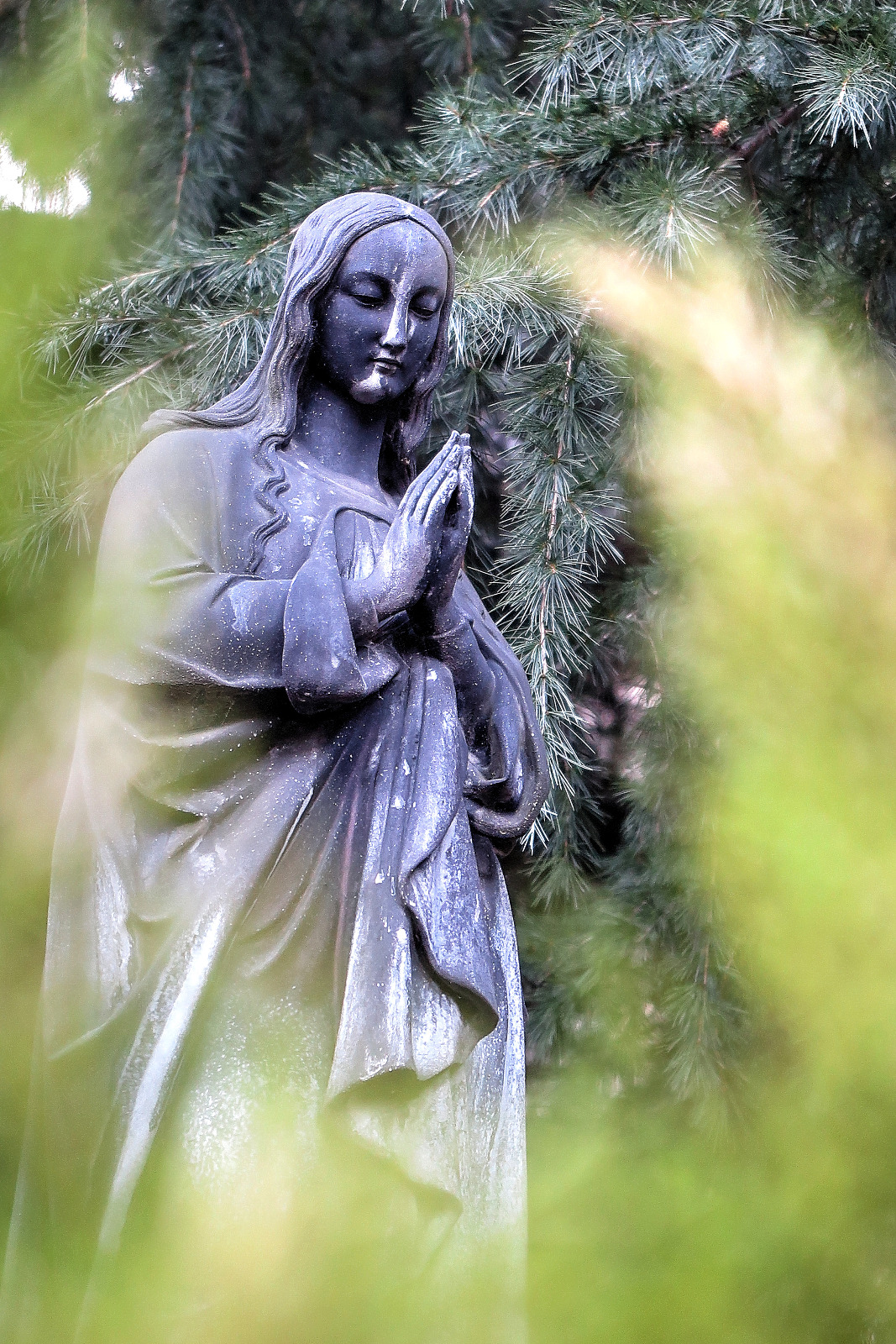
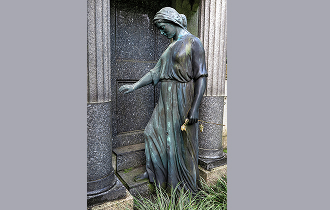
There are cultural differences within the Christian world. In Catholic regions, graves are often richly decorated with crosses, statues of saints or pictorial representations of eternal life. There are also statues of the Virgin Mary, representations of the Good Shepherd or Christ as the Saviour. Protestants prefer simpler forms, as they place more value on their inner relationship with God and less on external symbols. Protestants, on the other hand, prefer inscriptions with Bible quotations that convey comfort and hope. Crosses are the most important symbol on many Christian graves. They commemorate the death and resurrection of Jesus Christ. Angels, praying hands, fish or depictions of Bible scenes are also frequently found.
In Christianity, remembrance of the dead is strongly influenced by liturgy. Memorial days such as All Souls' Day or Remembrance Sunday are an integral part of the church year. In addition, masses or prayers for the deceased are celebrated regularly. In Catholic countries, lighting candles plays a central role, while in Protestantism, memorial services dominate.
4.2 A Jewish cemetery is called Beit ha-Chajim (‘House of Life’) or Beit Olam (‘House of Eternity’). This wording reflects the belief that death is not the end, but rather an intermediate stage.
The religiously prescribed inviolability of graves means that Jewish cemeteries retain their original structure over centuries. Graves are neither abandoned nor redesigned. In many historic Jewish cemeteries, this has resulted in dense, overgrown and highly symbolic landscapes of graves. Jewish cemeteries often fall into disrepair because they cannot be closed or reused for religious reasons and there is often a lack of active Jewish communities to take care of their maintenance. Especially after the Shoah and due to migration and emigration, there are hardly any Jews left in many cities, which means that there are insufficient resources for preservation and maintenance. In addition, Jewish cemeteries are exposed to special environmental conditions due to their permanent tranquillity and independence; natural vegetation overgrows the stones, and fallen gravestones are often not simply re-erected out of respect for the repose of the dead.
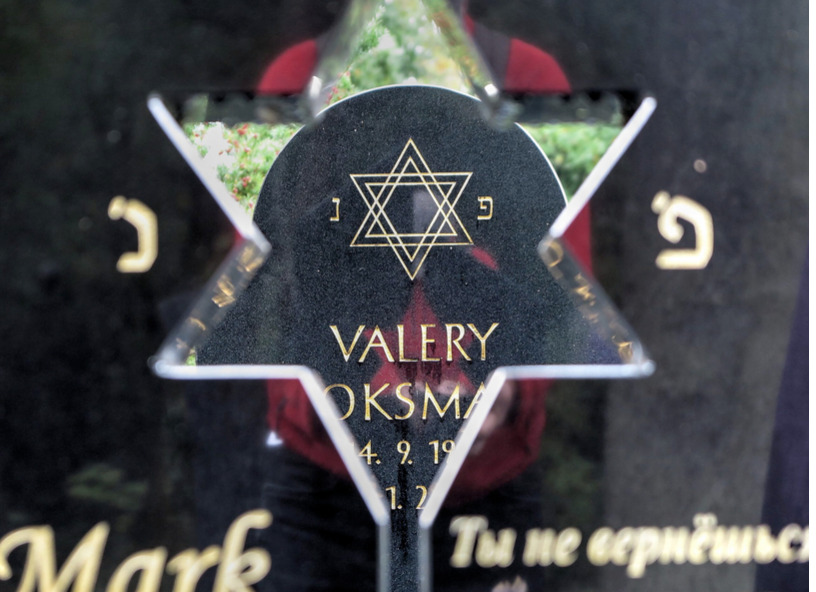
A special ritual involves placing small stones instead of flowers on the graves. This is intended to symbolise lasting remembrance. Common symbols on Jewish gravestones include the Star of David, the blessing hands of the priests (Cohanim), or a water jug, which signifies the Levites. Split candles also symbolise a life cut short.
The inscriptions are mostly in Hebrew,(Tehe nischmato/te nischmata zerura btzror ha-chajim – ’May his/her soul be bound up in the bundle of life").
In Judaism, there are annual memorial days such as Yahrzeit, when relatives light a candle and recite Kaddish. It is also typical to visit the grave on certain holidays, especially Yom Kippur and during the High Holidays. Commemoration is not only religious, but also strongly family-oriented, as it preserves the bond with ancestors.
4.3 Muslim graves are arranged in simple rows, all facing Mecca. A grave is permanent and is not reused. The gravestones usually bear verses from the Koran, the name of the deceased, their origin and date of death.
In contrast to Christian cemeteries, individual design is less important. The focus is on unity in the umma (community of believers) and on remembering the transience of life. In Islam, scripture is paramount. Calligraphic verses from the Koran are common decorative elements. Pictorial representations are rejected as they are considered incompatible with the prohibition of images.
The simplicity of the tomb architecture makes the writing and spoken prayer the most important element of commemorating the dead. In Islam, commemorating the dead is determined by prayers. There are fixed rituals after death: special prayers are said 3 days, 40 days and 1 year after death. It is customary to visit the grave regularly to pray, with the emphasis on intercession. Monumental memorials in the form of buildings are less common, but in some regions there are mausoleums of prominent figures.
4.4 Chinese cemetery and burial culture differs significantly from Christian, Muslim and Jewish traditions, particularly in terms of ritual practices, symbolism and the social significance of ancestor worship.
In China, honouring ancestors is central to the commemoration of the dead, whereas in monotheistic traditions, individual remembrance and religious salvation dominate. Chinese graves are often family graves in which several generations are buried together. The idea that the deceased continue to influence the life of the family is essential to Chinese culture.
Chinese funerals involve numerous traditional rituals, such as wearing white clothing, the family keeping vigil over the body (shou ling), burning paper money and offerings, and loud music and fireworks to ward off evil spirits. The body is washed and wrapped in several layers of clothing, never in red, as this is considered dangerous. The design of the grave varies from region to region, but often there is a small mound above the grave, and the orientation is based on feng shui wherever possible.
Chinese graves often contain symbolic offerings such as paper money, paper houses, coins and personal items intended to provide for the deceased in the afterlife. The Qingming Festival, the Chinese day of remembrance for ancestors, is an annual occasion for visiting graves, cleaning them and making offerings. The intense connection between the festival, ancestral offerings and grave maintenance is unique to China.
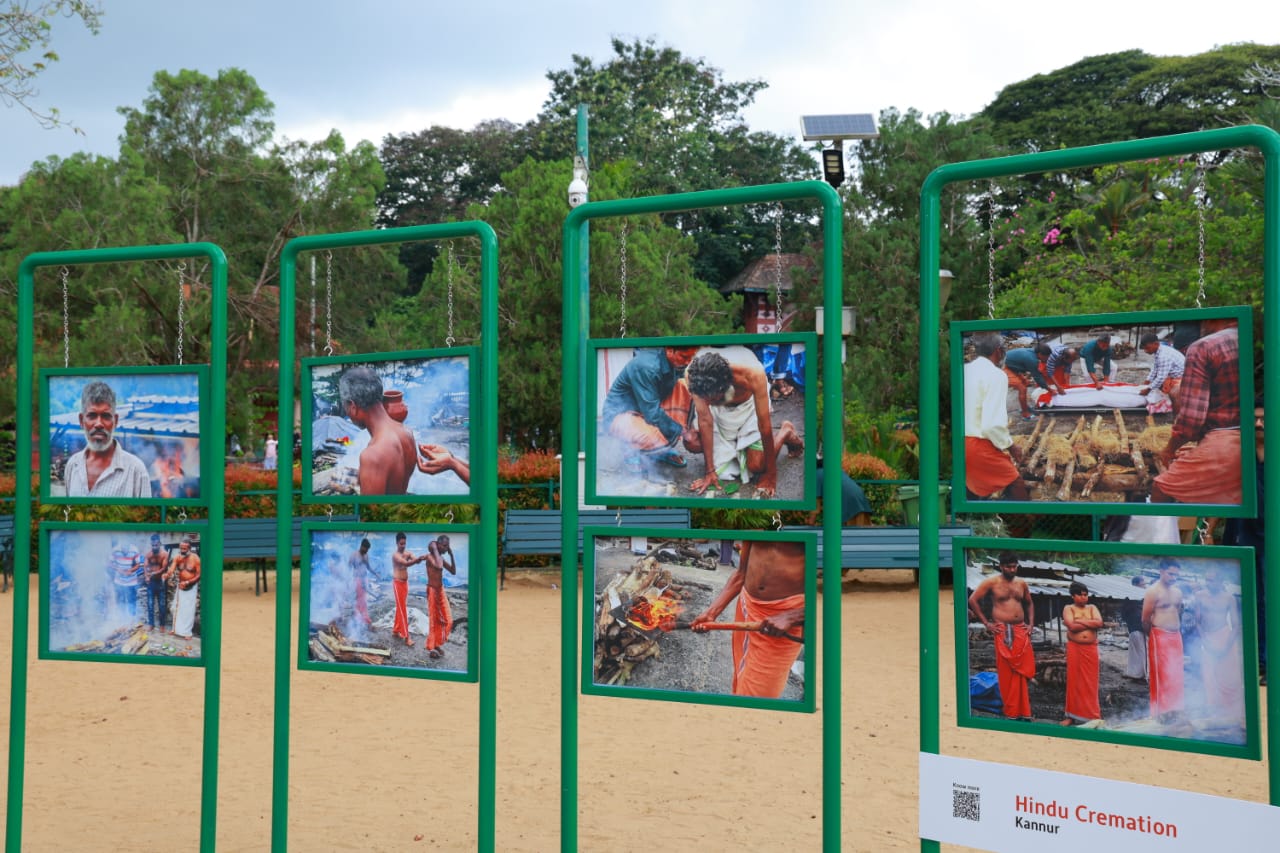
4.5 In Hinduism, cremation of the body is the usual and preferred form of burial. For Hindus, cremation is an act that is supposed to release the soul from the cycle of life, death and rebirth (samsara) and transfer it to the next existence. Christianity, Judaism and Islam traditionally prefer burial; although cremation is increasingly accepted in Christianity, it is prohibited or strongly rejected in Judaism and Islam.
Hindu funerals begin with a ritual washing and wrapping of the deceased in a white cloth, symbolising purity. The relatives take part in the farewell ritual and ceremony; traditionally, it is mainly male family members, especially the first-born son, who light the fire. The pyre is often erected on the banks of a river, ideally the Ganges or another sacred body of water. Mourning is shown with restraint; loud weeping is rather unusual and women traditionally participate less frequently in the ritual. After cremation, the ashes and remains of the deceased are scattered in the waters of a sacred river, symbolising the final detachment of the soul. The rites vary according to region, caste and tradition.
5 The exhibition in Thiruvanathapuram
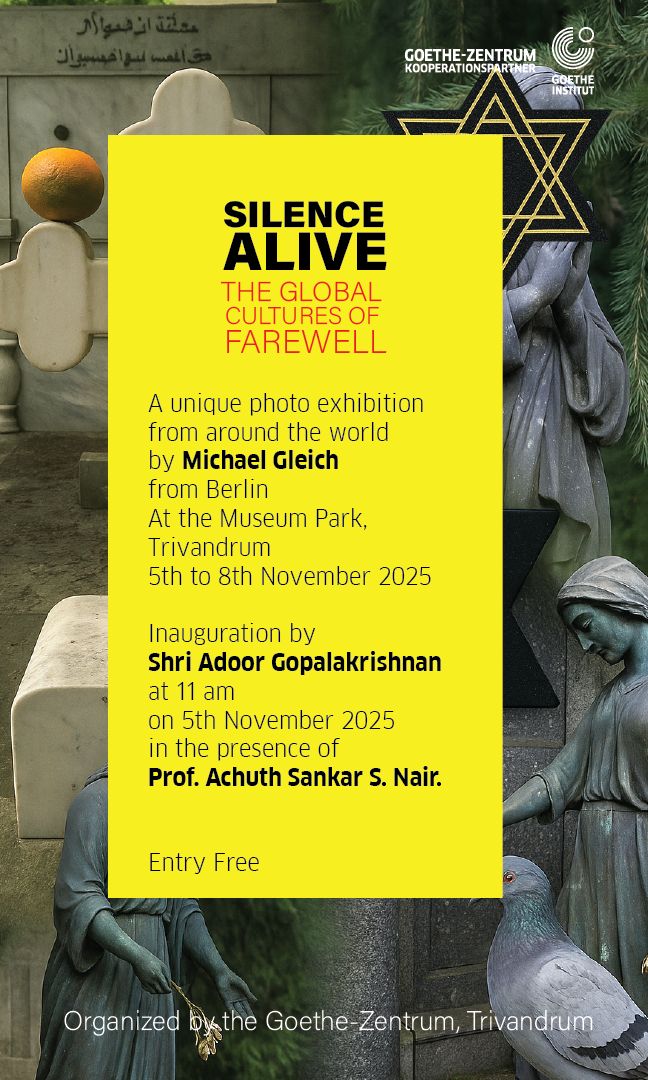
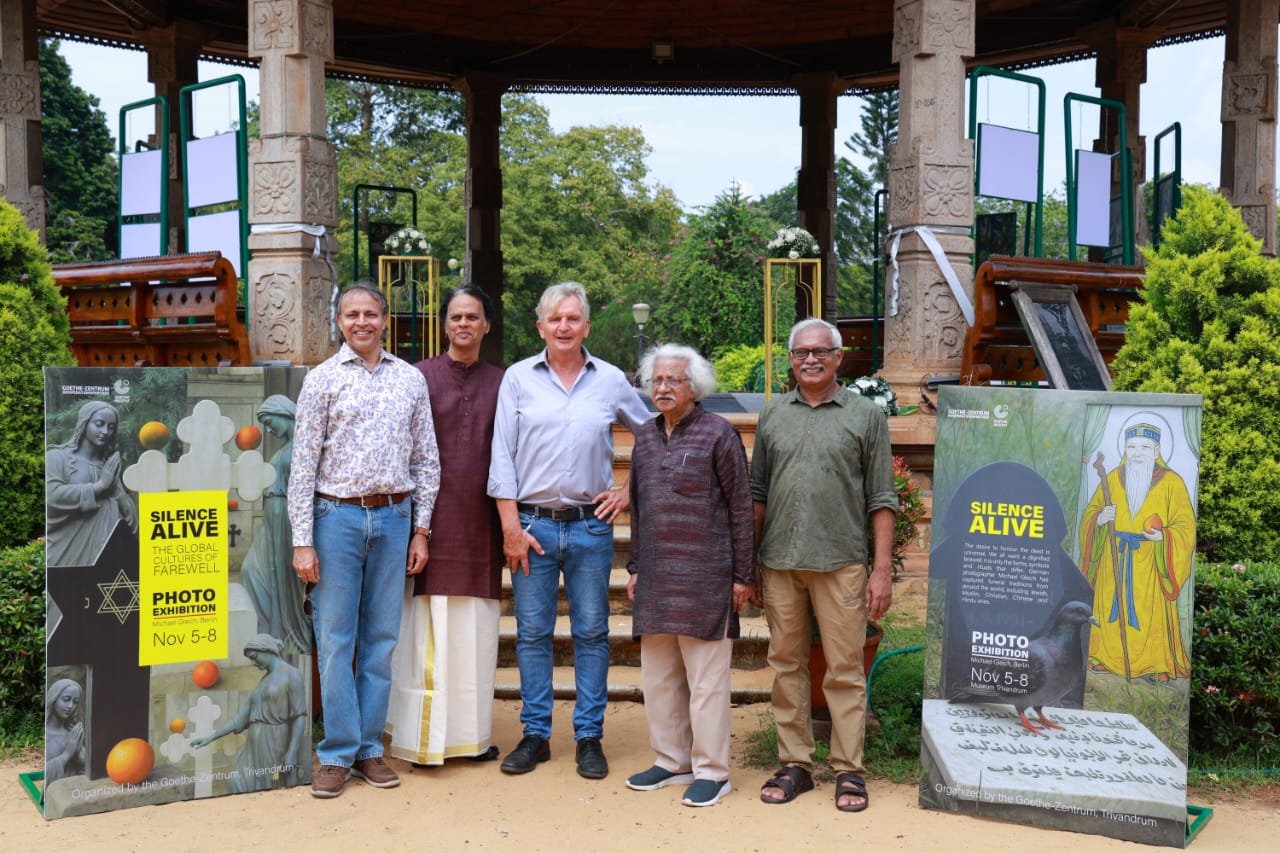
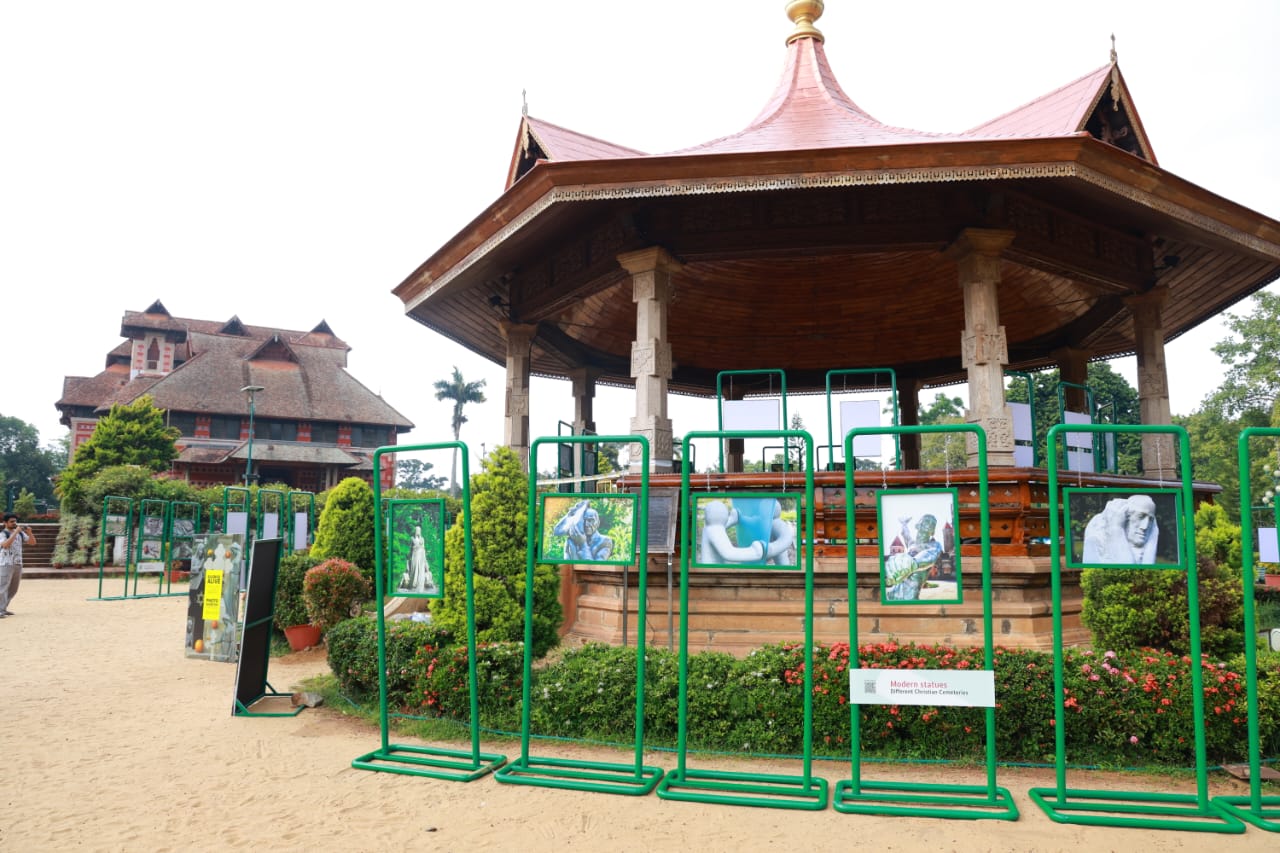
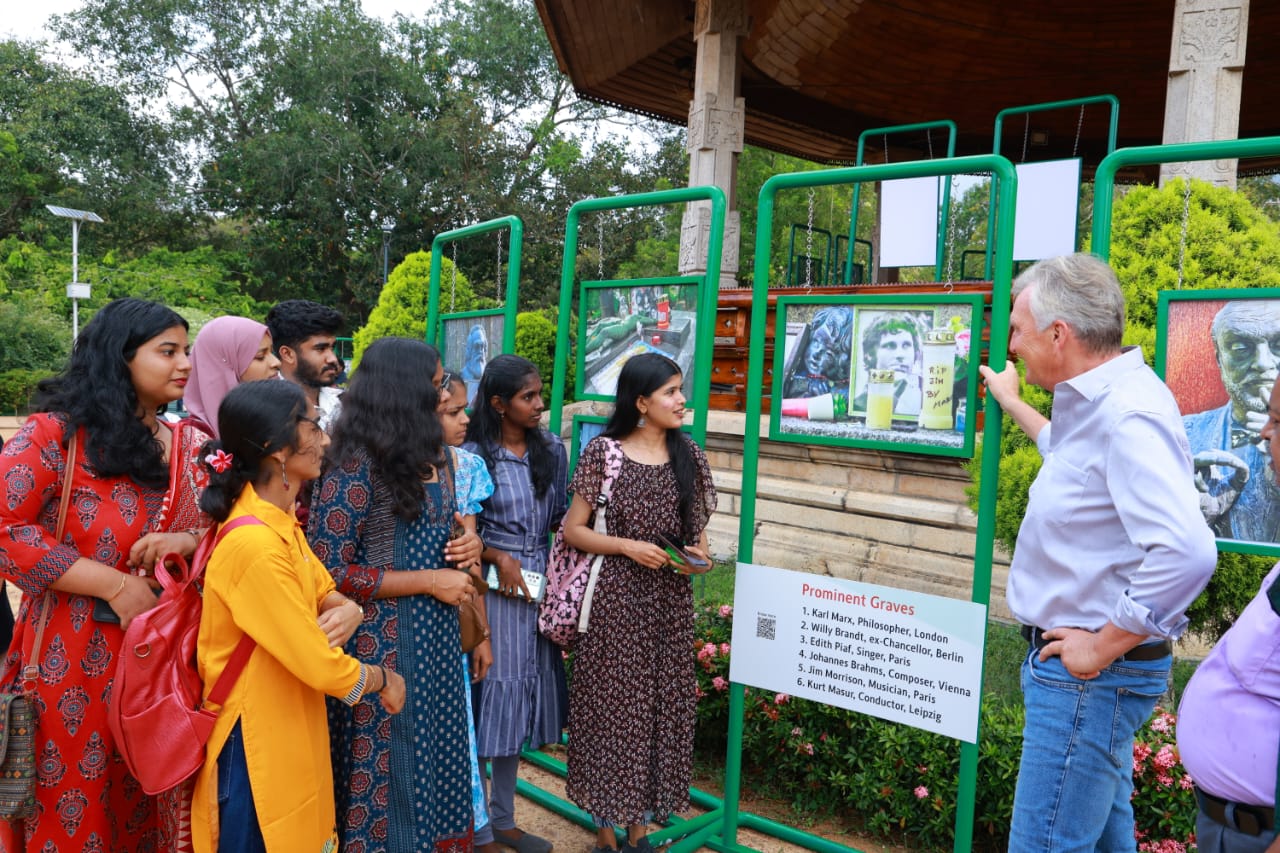
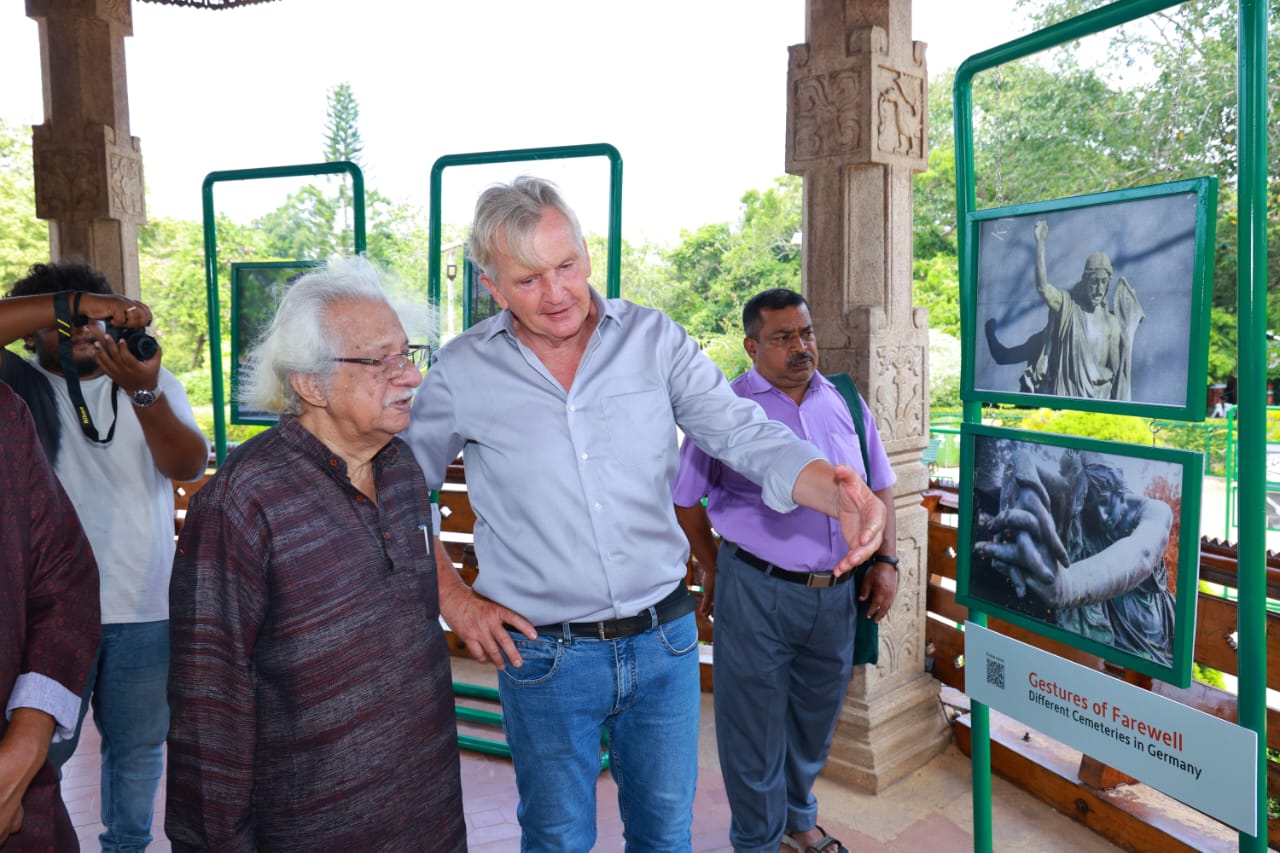
The exhibition will be on display from ... to ... in ... Park in Thiruvanathapuram. The documentation covers cemeteries from Christian, Jewish, Islamic and Chinese cultures. From these countries: Germany, USA, Rwanda, Malaysia, Tunisia, Austria, Lebanon, UK. Part of the exhibition concept is that I also document a place of funeral culture in each country where it is shown. In the case of Kerala, it will be the cremations on Kannur beach.
About me
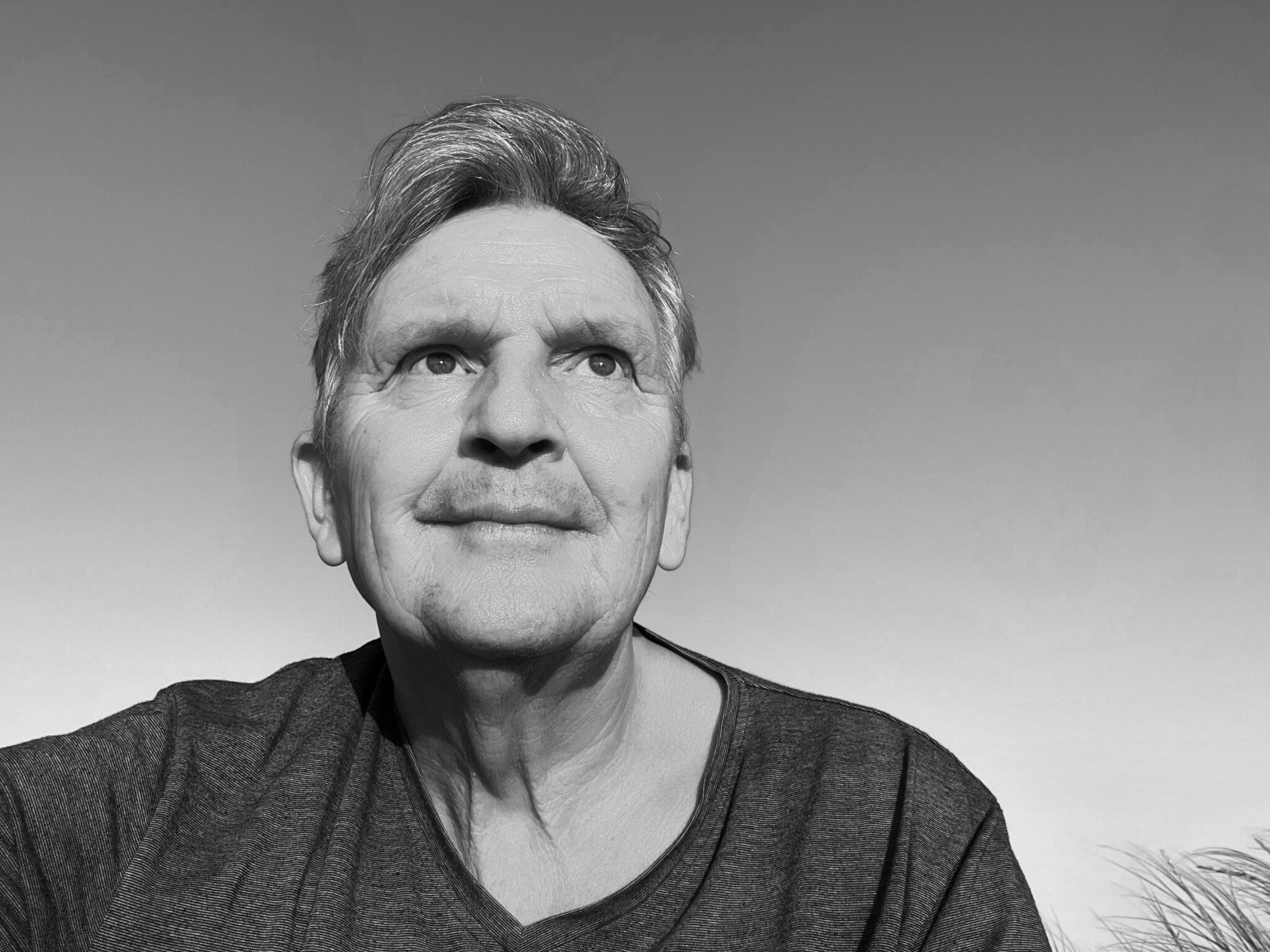
Hello, my name is Michael Gleich. I work as an author, journalist and curator and live in Berlin. I have not only written about my worldwide reporting trips, but also often documented them as a photographer. In recent years, my interest in trying my hand at photographic art has grown.
My books include „Mobility – Mankind on The Move“, „Life Counts. Cataloguing Life on Earth“, „Web of life. The art of interconnected living“, „Successful Peacebuilders“ and „Culture Counts. The Chances of Cultural Diversity.“ Happy to say that I received prestigious awards including the German Prize for Environmental Journalism and on two occasions the Development Policy Media Prize awarded by the president of the Federal Republik of Germany.
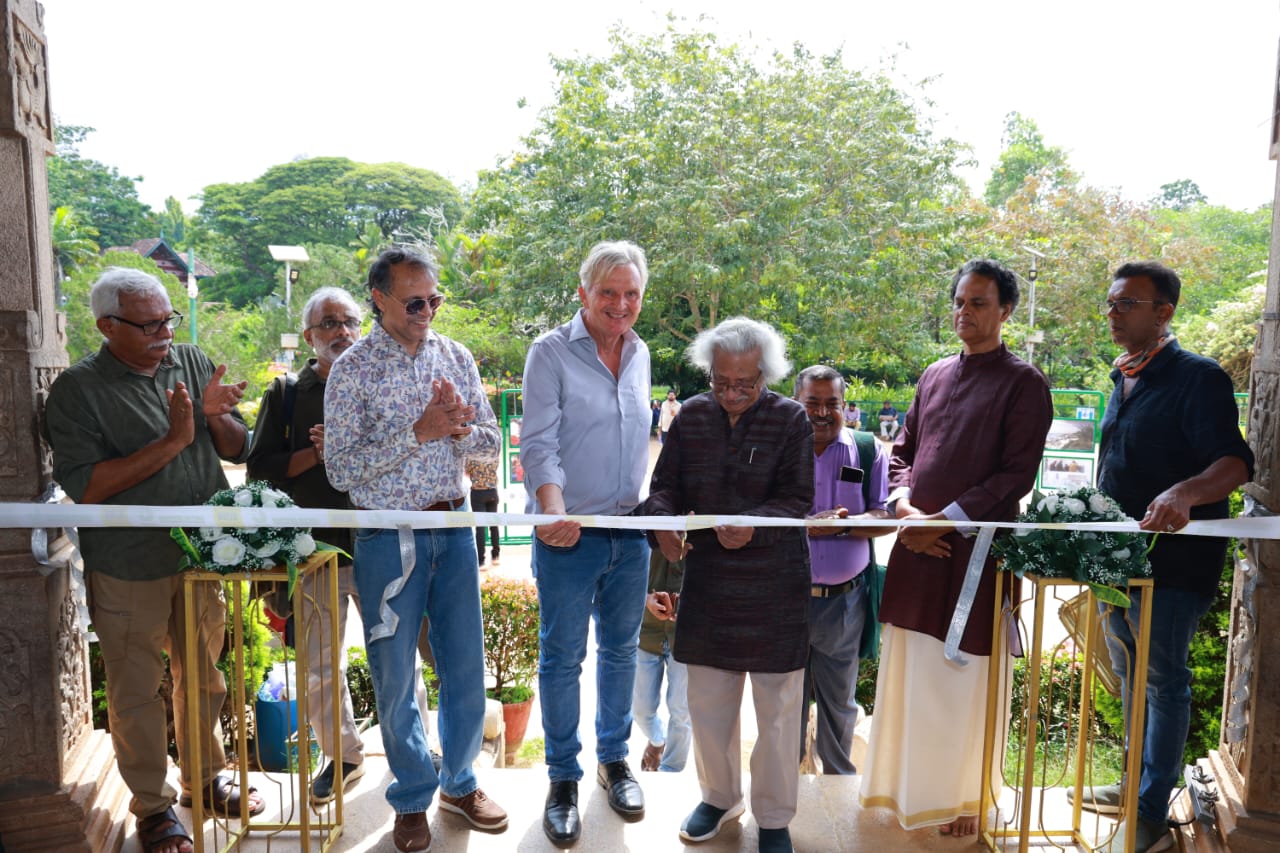
In November 2025, I will have my first photo exhibition. Entitled ‘Silence Alive. The Global Culture of Farewell,’ it documents my work on grave and funeral culture in different cultures. The exhibition will be shown in Trivandrum (Kerala, India) at the invitation of the Goethe Centre.